DESMA Center and the Ministry of Tourism Develop a Roadmap and Action Plan to Strengthen Tourism Business Standards for 2026–2029
Author: Dani Fauzi, Program Officer
Jakarta, April 14, 2026 — DESMA Center, together with the Assistant Deputy for Business Standardization and Certification, Deputy for Industry and Investment, Ministry of Tourism, has officially launched an initiative to strengthen tourism business standards through the development of a Roadmap and Action Plan for Strengthening Tourism Business Standards 2026–2029. This initiative was launched to address various implementation challenges, including the fact that many business operators still struggle to understand tourism business standards and applicable business licensing procedures.
According to the Survey on the Perceptions of Business Operators and Local Governments Regarding Standardization and Certification—conducted the previous year by the Assistant Deputy for Business Standardization and Certification in collaboration with the DESMA Center—66% of business operators reported not having received clear guidance, while 45% encountered obstacles in administrative processes.
This initiative focuses on business standards covering 13 types of tourism businesses.
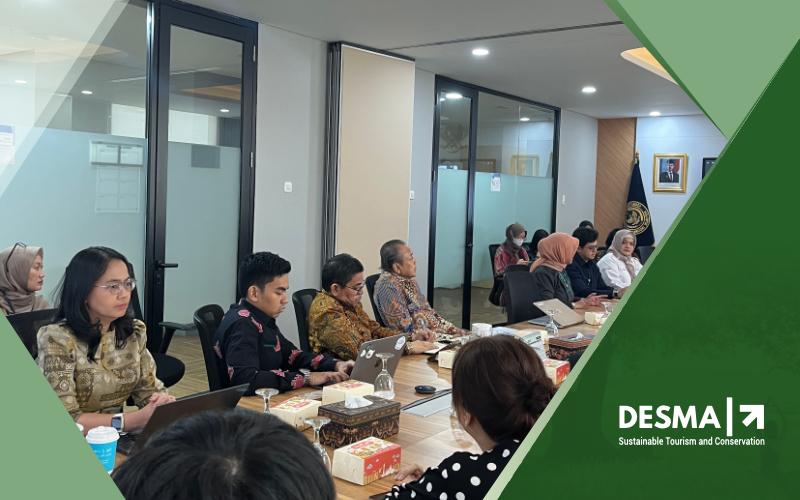
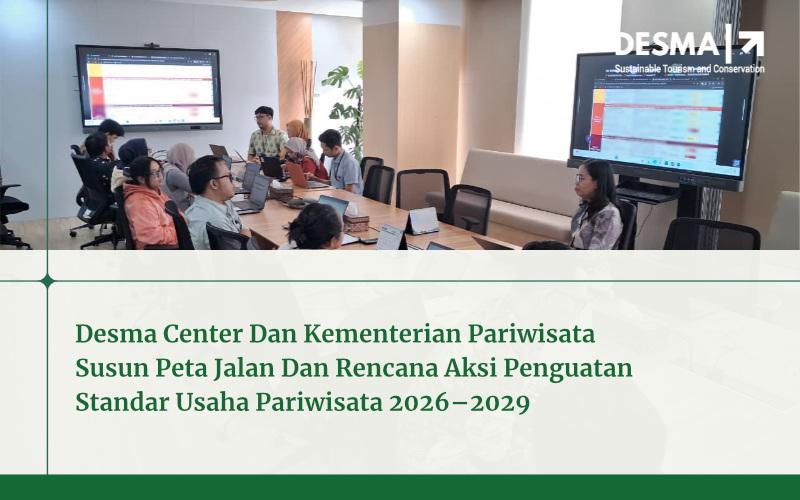
A series of meetings was held in person on March 3, April 14, and April 29, 2026, to align perspectives and gather input for drafting a document that is more targeted and aligned with policy and regulatory requirements. The follow-up phase of these meetings involves drafting the document and conducting Focus Group Discussions (FGDs).
The development of this roadmap and action plan aims to provide the government with guidelines that are more operational, integrated, and easy to implement in line with established strategic objectives. Consequently, businesses will no longer face regulatory confusion but will instead receive clear, ideal, and proportionate regulations tailored to the scale of their operations, including for MSMEs.
Furthermore, this initiative is expected to foster a more competitive, high-quality, and sustainable tourism ecosystem through a roadmap and action plan that outline priorities, phases, roles, and deliverables ready for follow-up by the Ministry of Tourism in the future.