Green School Workshop Creating a Green Generation: Implementation of Green Schools in Tourism Vocational Schools
Writer: Agustina Purnami Setiawi, Programme Officer Field Office Sumba
Editor: Firra Kholisha Mustika, Communication
Environmental and sustainability education is now a major concern in the world and in Indonesia. With increasing awareness of environmental issues and climate change, as well as the need to create a generation that cares and is responsible for the environment, the application of the green school concept is becoming increasingly relevant.
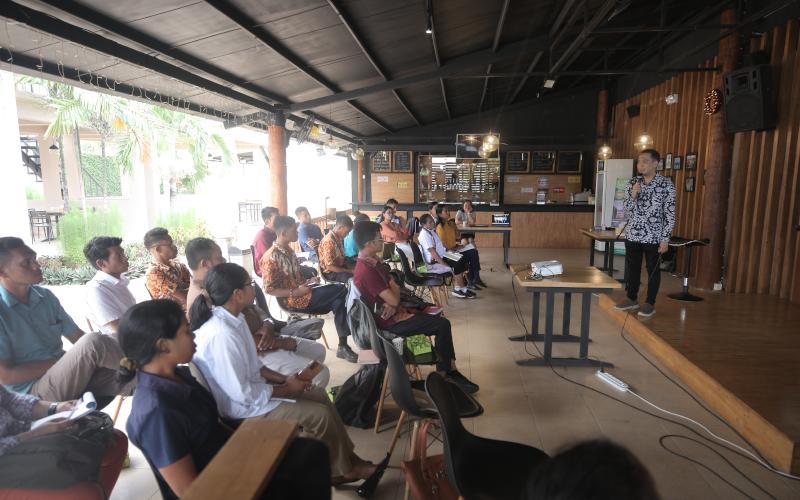
DESMA Center held a Green School Workshop: Potential, Opportunities, Challenges, Obstacles and Solutions in Implementing Green Schools at Sumba Tourism Vocational Schools. The activity was held on March 6 2024, at HF Resto Tambolaka. Attended by 37 participants, online and offline. Also present was Mrs. Maria Theodora M. Bau, S.Pd., Supervisor of SMA/SMK/SLB District. SBD – Provincial P&K Service. NTT Wewewa Region.
The workshop began with a presentation by Drs. Anak Agung Bagus Wijaya Putra, M.Pd., Principal of SMKN 3 Denpasar. He highlighted that green schools are not only related to environmentally friendly buildings, but include the principles of sustainable learning; by focusing on resource efficiency and waste reduction. Green schools play a role in protecting the environment, forming students' environmental awareness, and providing long-term economic benefits.
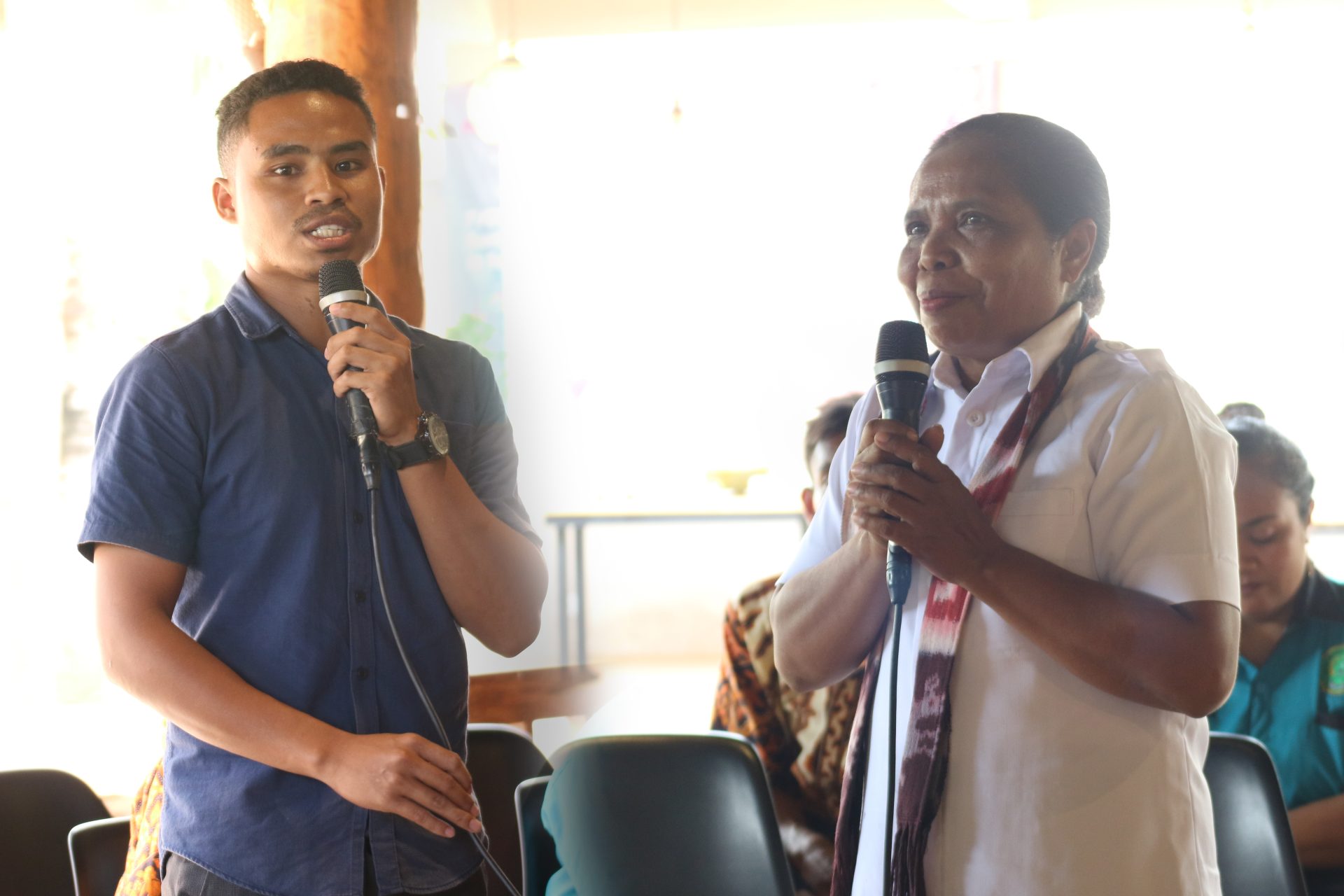
The PLH Coordinator of SMKN 3 Denpasar, Mrs. Mutiarsih, S.Pd, emphasized the potential of SMK in implementing green school practices. He emphasized the integration of green technology and resource management into the curriculum as well as the importance of practical projects in and outside the classroom.
Deputy Principal for Public Relations, Mrs. Dra. Ni Made Merti, M.Si., said that there is a need to encourage regular evaluation of the implementation of green schools. He conveyed the important role of vocational schools as agents of change in protecting the environment and forming a generation that cares about the environment.
As an industry representative, Mr. Dhana Dhiwantara, General Manager of Sima Hotel Sumba shared the environmentally friendly practices that have been implemented by the hotel; such as sorting waste and using environmentally friendly materials.
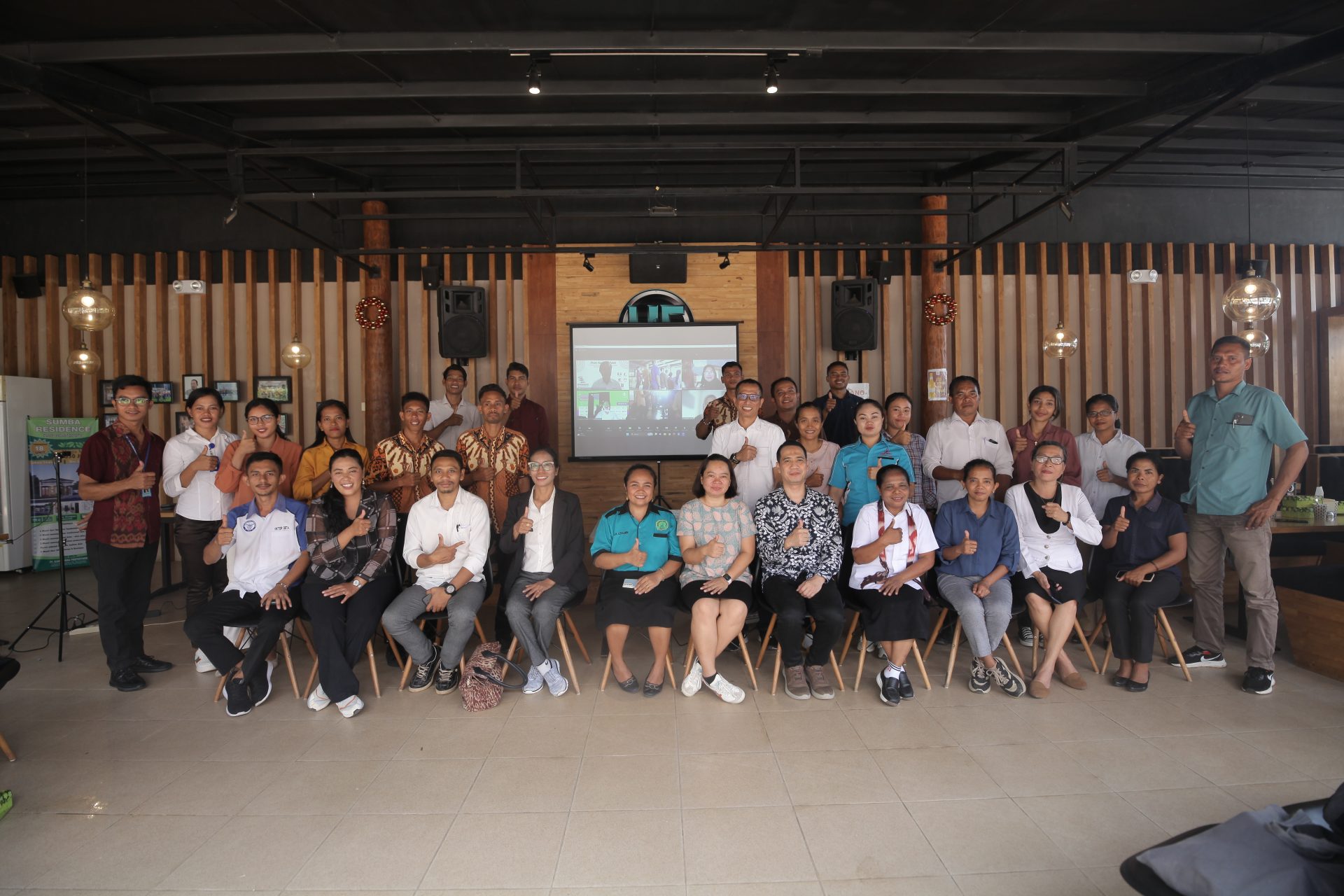
This workshop intends to increase understanding of the green school concept, identify potential and opportunities, formulate action plans, and strengthen collaboration between school principals and teachers. This activity is part of Program TVET for Sustainable Tourism Development in Sumba which is implemented by the DESMA Center.
_____________
The TVET for Sustainable Tourism Development in Sumba program is supported by MISEREOR/KZE; implemented by the DESMA Center. Strengthening the Capacity of Tourism Human Resources aims to realize "a tourism vocational school education program in Sumba to meet the needs and requirements of the tourism industry, thereby offering better job opportunities for young people and supporting sustainable tourism in Sumba."
This program includes strengthening (1) Management capacity of tourism vocational schools in line with the independent curriculum and the concept of sustainable tourism; (2) Teacher capacity in pedagogical knowledge, about teaching and sustainable tourism (3) Tourism Vocational School-Tourism Industry Partnership; and (4) Students' entrepreneurial capacity in creating a sustainable tourism business.
The direct beneficiaries of this program are (1) Pancasila Vocational School – Tambolaka, Southwest Sumba; (2) SMK Negeri 2 Tambolaka City, Southwest Sumba; (3) Bakti Luhur Vocational School – Tambolaka, Southwest Sumba; (4) Efata Vocational School - Omba Rade, Southwest Sumba; and (5) Waikabubak State Vocational School 1, West Sumba. The direct partners of this program are (1) East Nusa Tenggara Province Education & Culture Office; (2) Southwest Sumba Regency Government; (3) West Sumba Regency Government; (4) Southwest Sumba Regency Tourism Office; and (5) West Sumba Regency Tourism Office.