Capacity Building for Community-based Ecotourism and Sustainable Tourism – Pakpak Ecological Landscape
The Pakpak Ecological Landscape is a rainforest landscape with an area of more than 150,000 hectares. Administratively, most of them are in Pakpak Bharat, Dairi and Humbang Hasundutan Regencies, North Sumatra Province. A small part is located in Aceh Singkil Regency and Subulussalam City, Aceh Province.
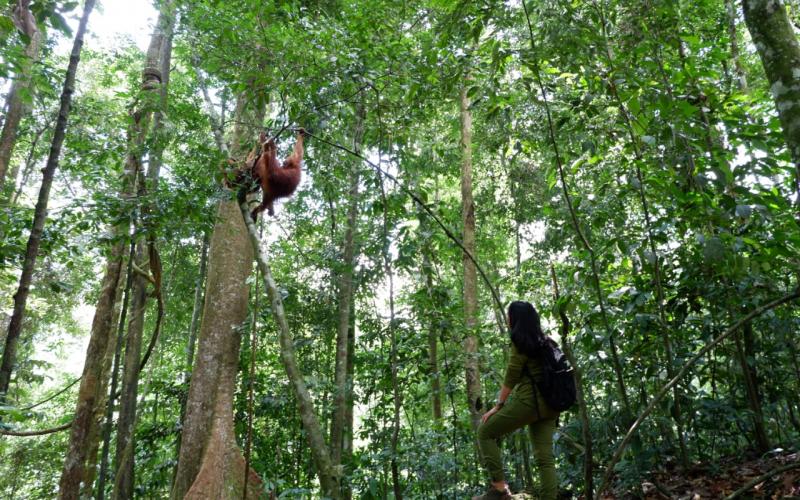
This landscape has a very high level of biodiversity and is a regionKey Biodiversity Area, is a habitat for various types of protected flora and fauna such as the Sumatran Orangutan (Pongo abelii), Sumatran tiger (Panthera tigris sumatrae), forest goat (Capricornis sumatraensis), Siamang (Symphalangus syndactylus), Sun bear (Helarctos malayanus), Damar (Agathis spp. ) and Frankincense (Styrax sp.).
The Equatorial Forest Resilient Foundation, supported by funding from the Sumatran Orangutan Society, implements programs to maintain the balance and sustainability of ecosystems based on landscape management, biodiversity conservation, and strengthening sustainable livelihoods; one of several loci is assistance from Sibagindar Village in efforts to connect orangutan habitat blocks as protected animals.
.png)
The Equatorial Forest Tangguh Foundation in collaboration with the DESMA Center is implementing the development of community-based ecotourism and sustainable tourism in the Pakpak Ecological Landscape, North Sumatra. In the context of program implementation, a capacity building series was carried out as a follow-up assistance through FGD (Focus Group Discussion) for stakeholders which has been implemented in the first semester of 2023. This capacity increase is aimed at Bumdes (Village-Owned Enterprises), Pokdarwis (Tourism Awareness Groups), Forest Farmer Groups, Karang Taruna, PKK Groups and Sibagindar Village Apparatus, Pakpak Bharat Regency , North Sumatra.
The capacity building series was held on 18-22 December 2023 in Sibagindar Village, Pakpak Bharat Regency, North Sumatra.
This series of meetings was carried out as a further stage of identification and assessment to further map the needs of the parties as well as find out the potential and existing resources that can be utilized to accelerate the excellence of Sibagindar Village in efforts to develop ecotourism and sustainable tourism.
In accordance with village development goals, namely improving the community's economy and environmental sustainability, it is hoped that the development of a more sustainable tourism sector can be a driver of community welfare by ensuring the protection of forests and surrounding ecosystems.
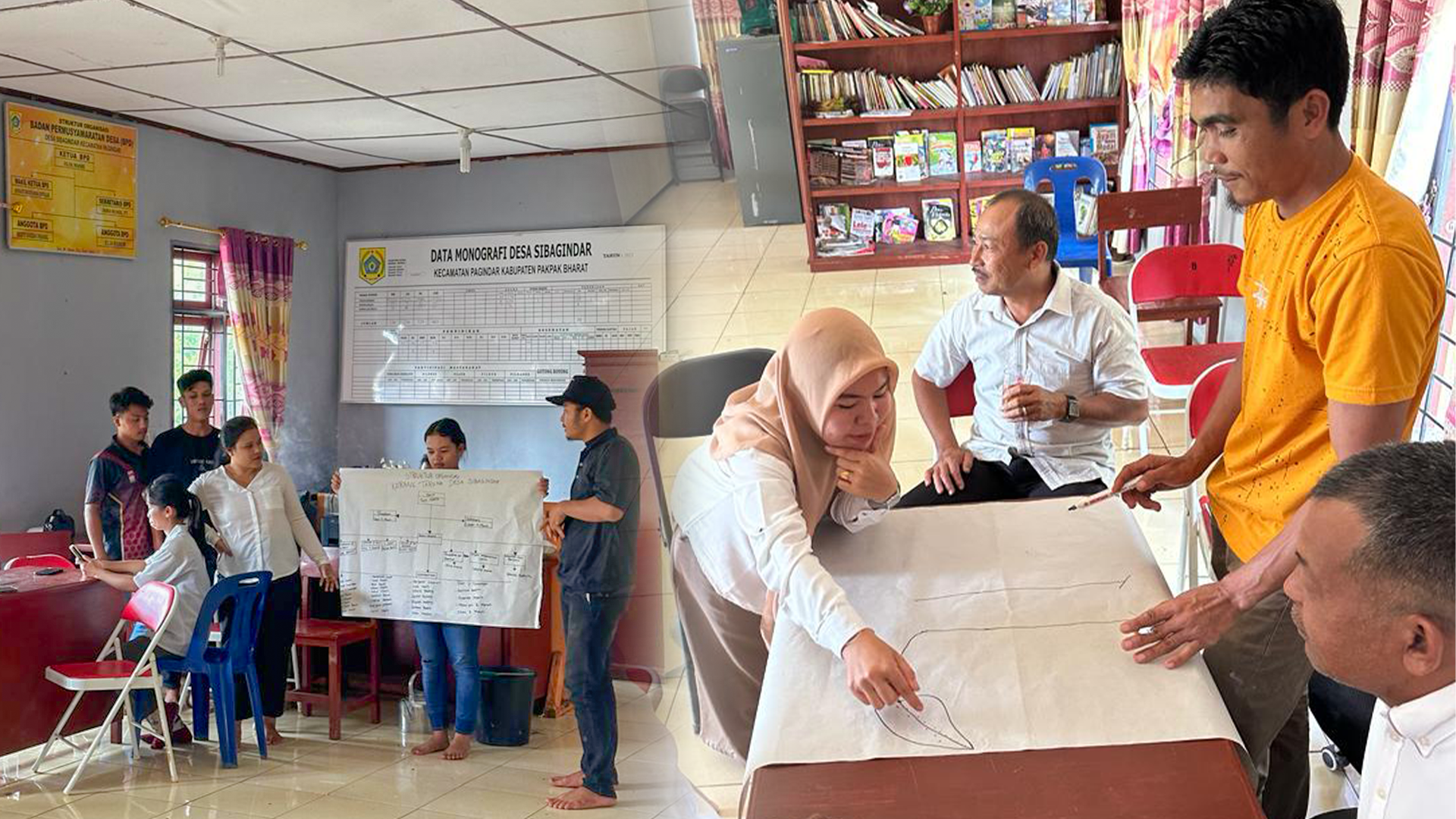
DESMA Center provides assistance to identify and develop priorities for sustainable ecotourism development in Sibagindar Village. Through this series of capacity building, it is hoped that we can increase the understanding and ability of the Village Government and the Sibagindar Village community to manage and develop tourism and ecotourism in accordance with local resources in a sustainable manner.
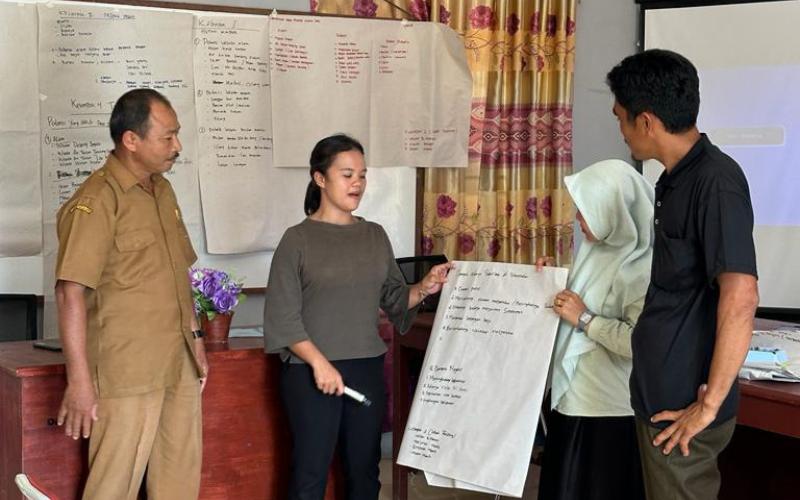
During the 5 days of training, the training series provided was carried out in a participatory manner by providing space for participants to identify existing and potential resources, ask questions, discuss and work in groups.