Enhancing Community-Based Ecotourism Capacity and Sustainable Tourism of the Pakpak Ecological Landscape, North Sumatra
Writer: Firra Kholisha Mustika, Communication
The Pakpak Ecological Landscape, spanning over 150,000 hectares, is one of the rainforest landscapes in the provinces of Aceh and North Sumatra. Administratively, the majority of this area is situated within the districts of Pakpak Bharat, Dairi, and Humbang Hasundutan, in North Sumatra Province. While the other is located in Aceh Province, specifically in the districts of Aceh Singkil and the city of Subulussalam.
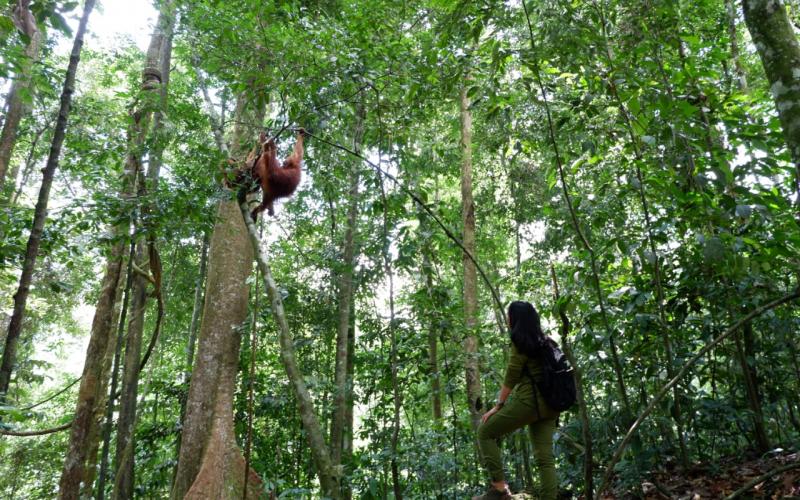
This landscape boasts an extremely high level of biodiversity. It qualifies as a key biodiversity area, serving as a habitat for several protected species of flora and fauna, such as the Sumatran Orangutan (Pongo abelii), Sumatran Tiger (Panthera tigris sumatrae), Sumatran Serow (Capricornis sumatraensis), Siamang (Symphalangus syndactylus), Sun Bear (Helarctos malayanus), Damar (Agathis spp.), and Benzoin (Styrax sp.).
Tangguh Hutan Khatulistiwa, with the support of the Sumatran Orangutan Society, implements sustainable programs to preserve the balance and sustainability of ecosystems through landscape management, biodiversity conservation, and the reinforcement of sustainable livelihoods. One such effort involves partnering with Sibagindar Village to enhance the connectivity of orangutan habitat blocks to support preserving this protected species.
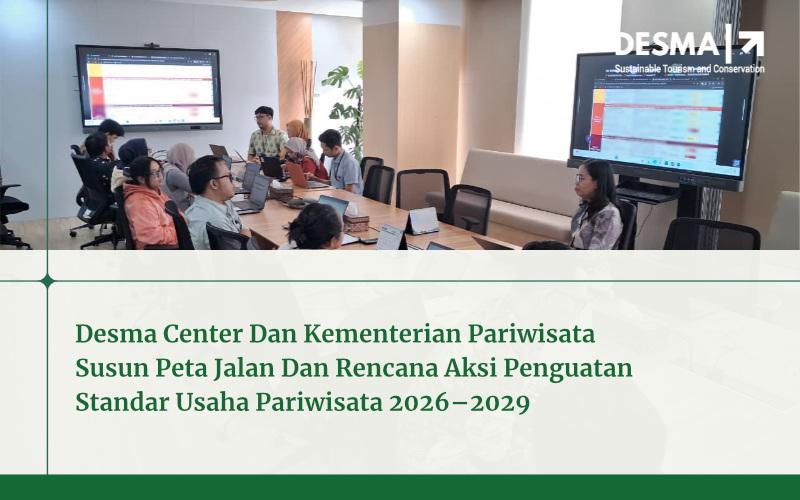
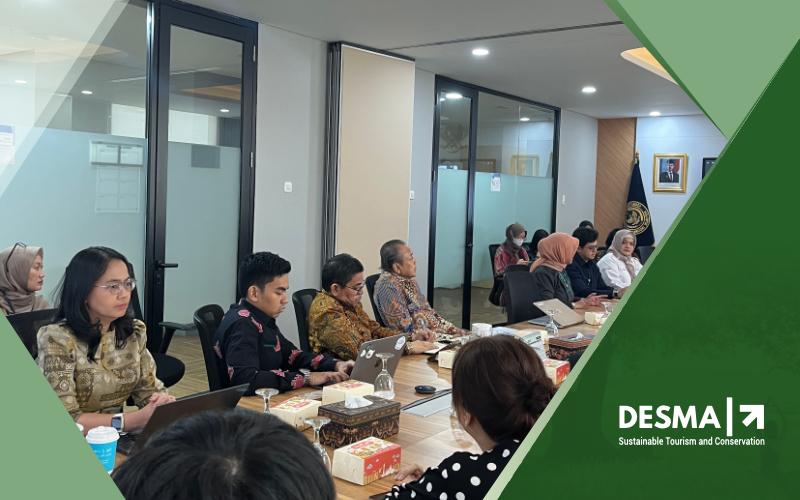
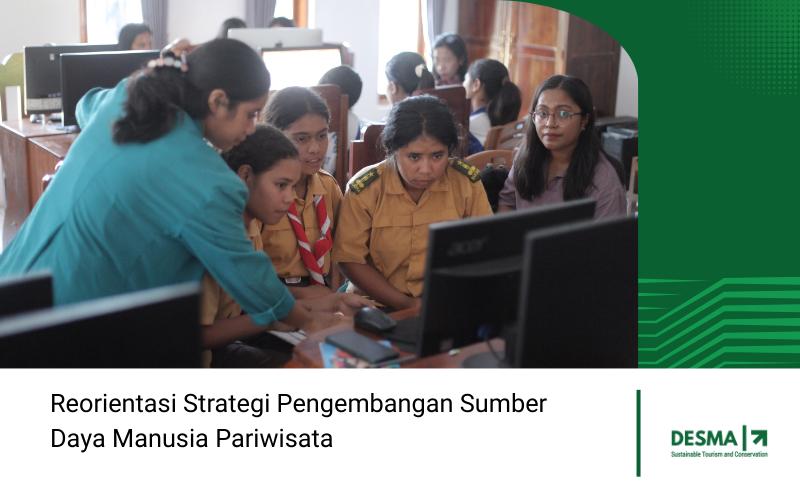
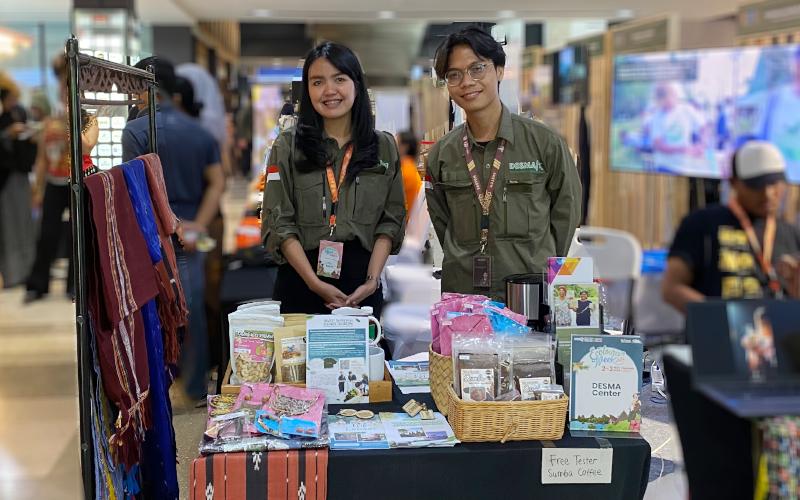
In the context of program implementation, this capacity-building session was conducted in collaboration with the DESMA Center, focusing on developing community-based ecotourism and sustainable tourism in the Pakpak Ecological Landscape, North Sumatra. The capacity-building efforts are directed towards the Pokdarwis (Tourism Awareness Community), BUMDes (Village-Owned Enterprises), Forest Farmer Groups, and the Sibagindar Village Officials in Pakpak Bharat District.
The community assistance through Focus Group Discussions (FGDs) involving these stakeholders was conducted online on May 29, 2023. This meeting served as an initial identification and assessment stage, aiming to map out the parties' needs while also understanding the potential and existing resources that can be harnessed to accelerate the advancement of Sibagindar Village in ecotourism and sustainable tourism development.
The Village Head of Sibagindar, accompanied by village officials, conveyed the village's development objectives, including enhancing the community's economy and preserving the environment. Representatives of youth participating in the Tourism Awareness Group (Pokdarwis) also shared their organization's goals in developing the tourism sector as a driving force for community well-being while ensuring the protection of forests and the surrounding ecosystem. Additionally, the discussion session was utilized as a moment for brainstorming to delve into the understanding of Pokdarwis and the village community regarding general knowledge of ecotourism and its benefits for village socio-economic development.
Tourism has become one of the alternative development pathways; aside from serving as a source of new income, it can also function as a catalyst for preserving the environment by ensuring sustainability in its activities. In this post-pandemic era, there has been a positive interest in visiting tourist villages. Moreover, with the government's support through flagship village tourism programs, it's evident that tourism can act as an economic driver even at the grassroots level. This dynamic has the potential to stimulate economic growth while also serving as a platform for advocating environmental preservation.
Furthermore, given the landscape surrounded by protected forest areas and the allure of the tropical forests that can captivate tourists, Sibagindar Village is a region with a notably high attraction for nature tourism. This is further enhanced by the bestowed uniqueness of its cultural heritage and local wisdom. However, considering only the socio-ecological aspects is insufficient for tourism development. Hence, all parties must commit, particularly Pokdarwis, to innovate and enhance creativity in managing sustainable ecotourism.
References
Rio Ardi, S. M. (2022). Sikulaping, . SOS (Sumatrea Orangutan Society) YOSL-OIC.
Yanti, A. I. (2021). Community Based Tourism dalam Menyongsong New Normal Desa Wisata Bali. Jurnal Komunikasi Hukum (JKH) , 7(1), 72-86.